Diesel Portable Air Compressor: CFM/PSI Sizing, Fuel Cost, and Maintenance Guide
- Share
- publisher
- Youyouxiaotian
- Issue Time
- Sep 22,2026
Summary
A diesel portable air compressor is a self-contained, engine-driven compressed air unit built to be moved between jobsites — most commonly a towable, trailer-mounted rotary screw compressor, or a skid-mounted unit that is lifted onto a truck bed, flatbed, or platform. Because it carries its own diesel engine, it delivers full air output where there is no power line, no generator, and no time to run cable.
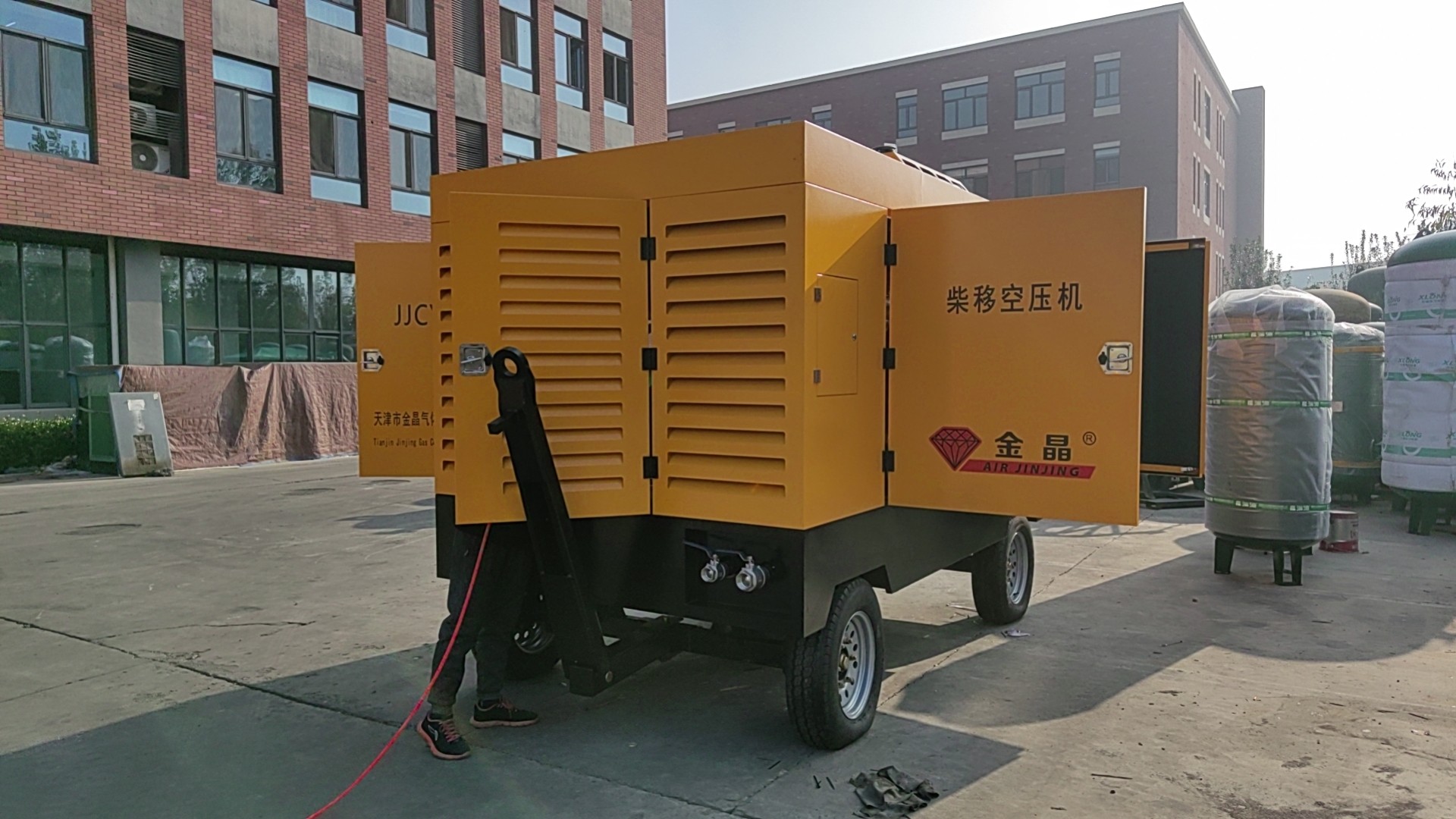
A diesel portable air compressor is a self-contained, engine-driven compressed air unit built to be moved between jobsites — most commonly a towable, trailer-mounted rotary screw compressor, or a skid-mounted unit that is lifted onto a truck bed, flatbed, or platform. Because it carries its own diesel engine, it delivers full air output where there is no power line, no generator, and no time to run cable.
That independence is exactly why rental fleets and contractors treat these machines as a utilization asset rather than a single-purpose tool. As one major compressor distributor puts it, diesel units "provide the performance of a truck engine-driven compressor with the ability to run independently," and when operated as part of a fleet they "reduce engine idle time while also decreasing emissions and maintenance costs."
This guide covers the four decisions that determine whether a diesel portable air compressor pays for itself: how to size it, what it will cost in fuel, which configuration to specify, and how to service it so it does not cost you a shift.
1. What Counts as a Diesel Portable Air Compressor?
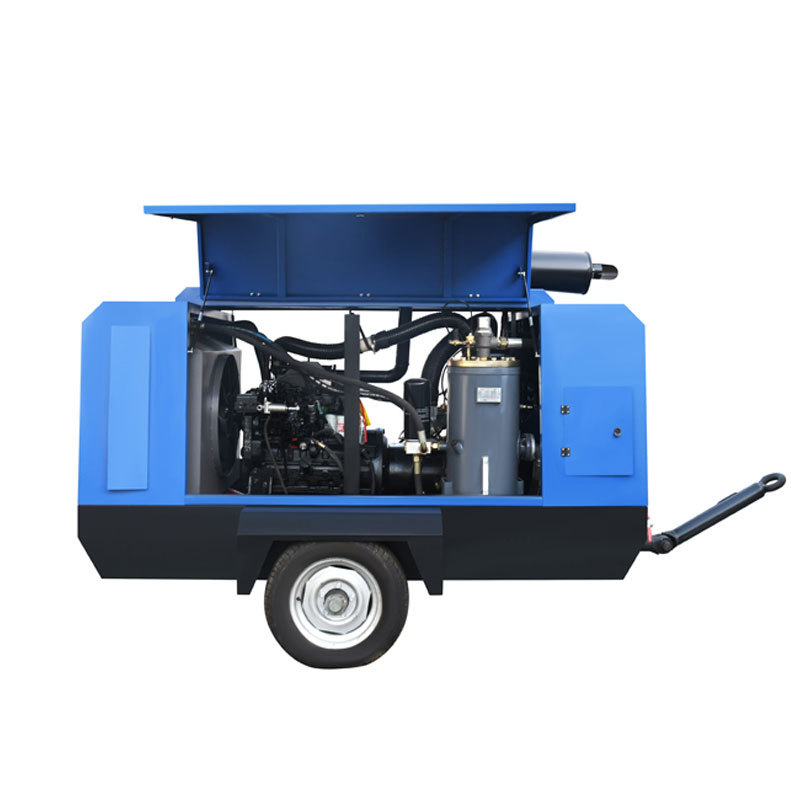
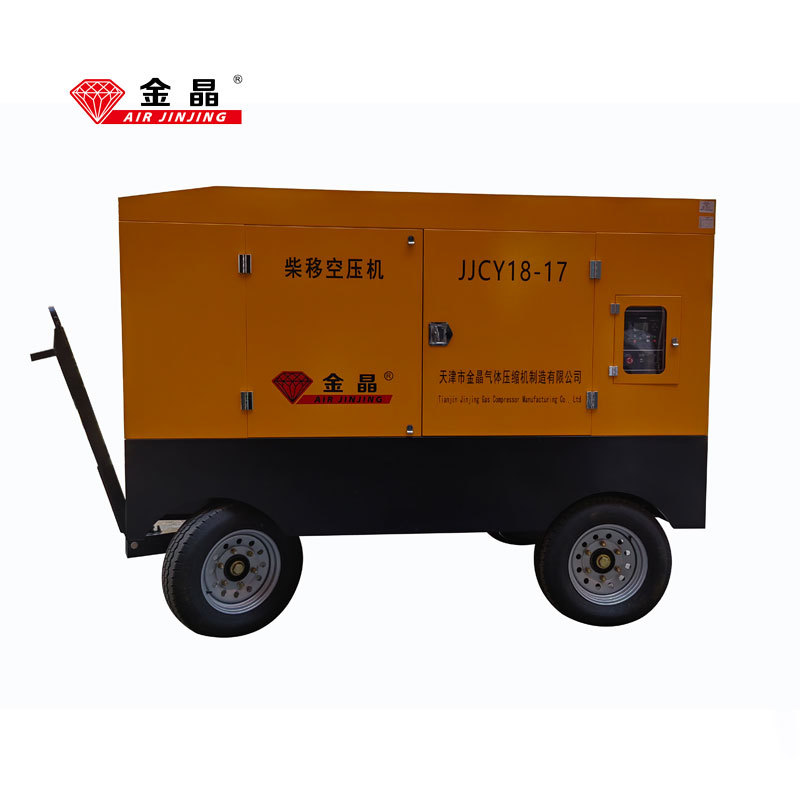
Three mounting forms cover nearly every jobsite requirement:
| Configuration | How it moves | Best for |
| Towable / trailer-mounted | Highway-rated running gear, pintle or ball hitch | Contractors moving between sites weekly or daily |
| Skid-mounted | Lifted by forklift or crane onto a truck bed or platform | Permanent installs, long-term flatbed mounting, offshore and marine packages |
| Utility / truck-mounted | Bolted to a service truck chassis | Field service, mobile repair, pipeline and utility work |
Output range across the class runs from roughly 185 to 1,600 CFM at 100 to 500 PSI. On the distribution side, the standard towable and truck-mounted sizes are quoted as 80, 185, 375, 400, 800, and 900 CFM — those six numbers cover the overwhelming majority of what is actually bought in North America, with the 185 and 375 classes doing most of the volume.
When diesel is the right answer: no grid power available; multiple pneumatic tools running at once; continuous duty across a full shift; remote, mobile, or seasonal sites. When it is not: an indoor, fixed installation with reliable three-phase power — an electric portable or stationary screw compressor will cost less to own and run.
2. Step 1 — Size the Air: Matching CFM and PSI to Your Tools
Sizing errors are the most expensive mistakes in this category. An undersized machine starves the tool and burns through its own service life; an oversized machine costs more upfront and consumes more diesel per hour than the job requires.
The three workhorse classes
The practical rule used across the industry groups machines by how many tools they carry at once:
| Class | Typical load it carries | Notes |
| 185 CFM class | ||